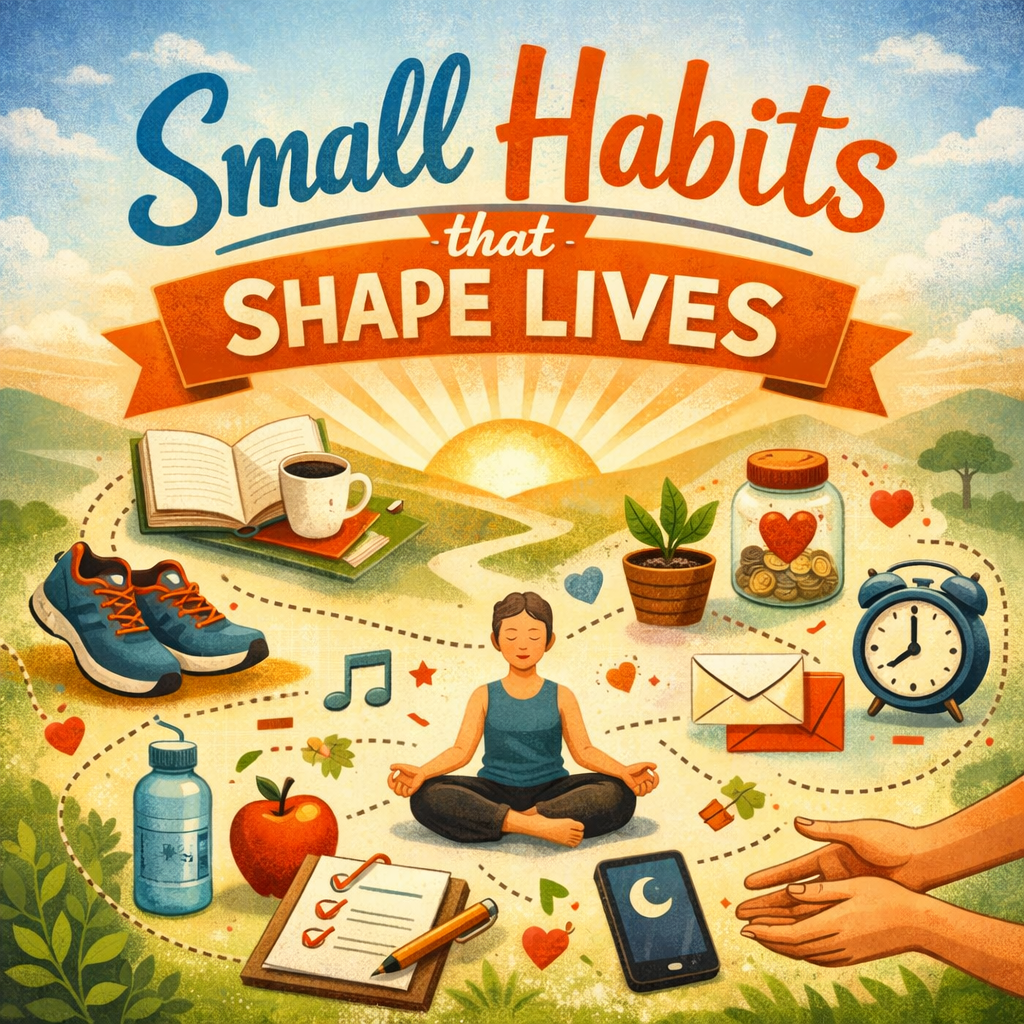
There is never enough time to think about anything in the fast-paced world we all live in. Everybody is chasing something. Money, fame, peace of mind and happiness are among the desires of certain people. But how can we create a world where our desires are fulfilled?
Even in the modern world, developing modest positive habits in our daily lives always contributes to living a disciplined, contented, and happy life.
The best approach is to gradually develop little but consistent positive habits. Here, consistency is crucial. Long-term, unattainable ambitions should never take precedence over short-term, reasonable, and achievable ones. For instance, a chain smoker could achieve the goal of giving up the habit by gradually but steadily cutting back on the number of cigarettes they smoke. However, quitting all at once can be challenging at times. In order for good habits to be durable, they should be developed gradually.
Human psychology also plays a crucial part in building positive habits, which says that habits are built through repetition and familiarity rather than willpower. It is said that if you follow something daily for 21 days, it becomes a habit. The same psyche can be used for building positive habits. Do not eat sugar for 21 days, and it will be completely out of your diet. Because they are less likely to fail, familiar habits are easier for the brain to inculcate. It inevitably turns into a person’s identity.
These are some categorised habits that, in my opinion, can influence people’s lives.
- Mental Habits
- Think things through before acting, especially in stressful or conflict situations.
- Say “thank you” more often than “sorry”
- Always focus on what is in your control and let go what of the things that are not
- Consider every issue as a challenging circumstance rather than just a problem
- Start your day with small but productive tasks like making your bed or stretching for some time
- Write in your journal one positive and one negative event from the day, along with advice on how to prevent it
- Be curious and inquisitive than judgemental
- Do every small task with dedication and strive for perfection
A happy life and balanced mental health can be attained by incorporating all of the practices mentioned above into everyday routines. These little practices can help you break the stressful lifestyle we lead today, or, to put it another way, relieve part of your burden.
- Physical Habits
- Drinking a lot of water
- Getting sunlight for at least 10 minutes
- Taking a stroll after every meal
- Keep your body moving as much as possible
- Take the stairs whenever possible
- Reduced phone use and reel scrolling
- Phone at eye level
- Spending some time in meditation
- Exercise everyday
- Stop screens at least an hour before you sleep
- Regular wake-up and sleep schedules
- Prepare for the next day before you sleep
Maintaining these routines consistently can help you develop a balanced health regimen, which in turn keeps your happy hormones rising.
- Emotional & Social Habits
- Talk about your feelings at all times, whether they are positive, negative, overwhelmed, lonely, etc.
- Speak to yourself like a friend
- Let small victories count
- Be gracious and accept days that are imperfect or less productive
- Smile and extend a warm greeting to everyone
- Listen to comprehend, not to respond
- Always be appreciative towards others
- Be the first one to call a friend or make a plan
- Apologize right away
- End conversations positively with a “Take care”
In essence, your social and emotional behaviours make you a decent person on the outside, but they also mould your personality on the inside, making it easy for you to be liked.
- Learning & Growth Habits
- Read an article or essay or newsletter daily
- Learn one new thing per day
- When in doubt, ask questions
- Track one personal habit like sleep time or water intake
- Practice gratitude
- Never stop improvising
- Invest at least 20 minutes in skill building
- Have one meaningful conversation daily
- Do one thing you don’t feel like doing
- Keep promises to yourself
- Keep loving yourself and be less harsh on yourself
These seemingly insignificant habits have the power to mould your life so that you feel content with everything you do and are inspired to continue learning, developing, and becoming a better person.
Let’s now examine a different point of view. When attempting to modify their habits and mould their lives, people frequently make these mistakes. They always attempt to make all the changes at once. Knowing that “slow and steady wins the race” is crucial. When it comes to changing behaviours, this sentence is essential. Attempting to modify everything at once will result in failure, not because you were not committed enough, but rather because habit formation and modification are processes that may require time.
A house cannot be constructed over two days; the procedure is time-consuming, and a strong foundation is necessary to prevent the house from collapsing under unfavourable circumstances. Therefore, in order to prevent your house of habits from collapsing, always make gradual adjustments, one at a time.
Motivation is crucial in this situation. Without motivation, nothing will change. You can use a variety of tools to measure and develop habits, but without motivation, they are only systems. To create the home of habits you want, stay motivated and know your objective.
As previously stated, this method takes time and might not show effects right away. To achieve the final aim, one must be persistent and patient.

 Anisha Expresses
Leave a comment